
Mapleton Foundation Pros
Wall Stabilization in Mapleton, UT
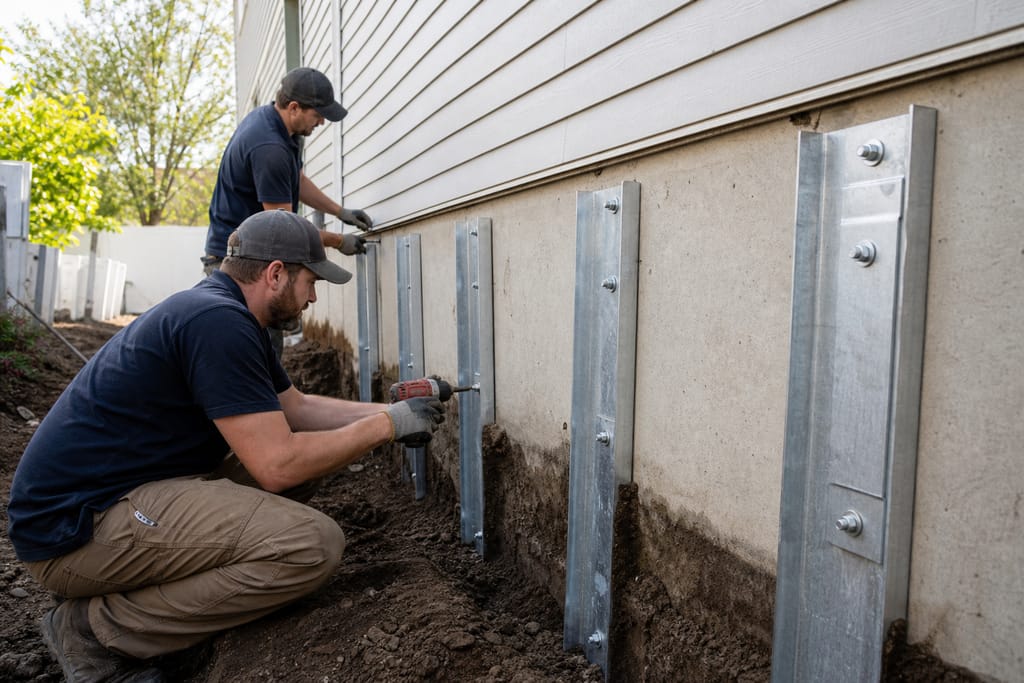
Wall stabilization in Mapleton, UT with steel anchors and carbon fiber for bowing basement walls. Free estimates, written scope.
- 15+ Years local experience
- 500+ Projects completed
- Licensed & Insured
Serving Mapleton and nearby communities.
Why does a basement wall start bowing in the first place? Usually it's hydrostatic pressure. Spring snowmelt along the Wasatch Front soaks the soil right against your basement wall, and that saturated soil pushes inward harder than the wall was built to resist.
Mapleton Foundation Pros stops that push with anchors or carbon fiber, matched to how far the wall has already moved. A wall that's barely started to bow gets a different fix than one with a visible inward curve.
What's included
What's Included with Wall Stabilization
Typically included: - Optional: Customer prep:
- Wall deflection measurement and condition assessment — Anchor or carbon fiber strip installation per the chosen method -.
- Crack sealing along the affected wall section — Tensioning and final stability check.
- Exterior drainage tie-in to reduce future pressure
- Interior finish repair after install
- Clear basement storage away from the affected wall
- Note any recent changes in bowing or new cracking before the visit
Want a clearer scope?
Get a Free EstimateHow it works
How Our Wall Stabilization Process Works
 Step 1
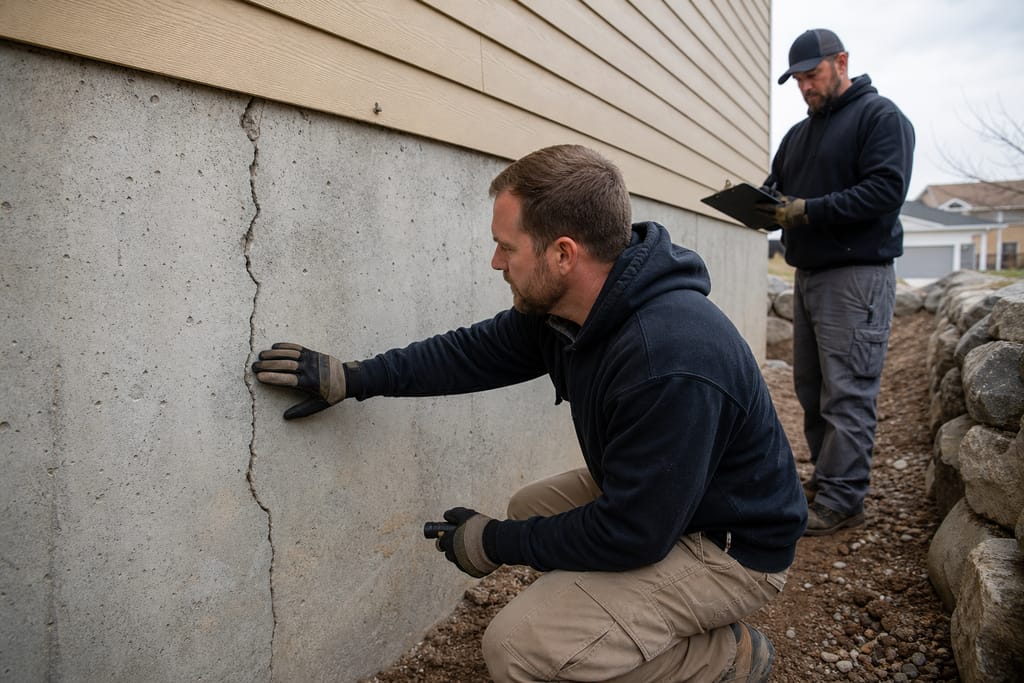
Wall Inspection
Walls are examined for bowing, cracking, or leaning indicators.
 Step 2
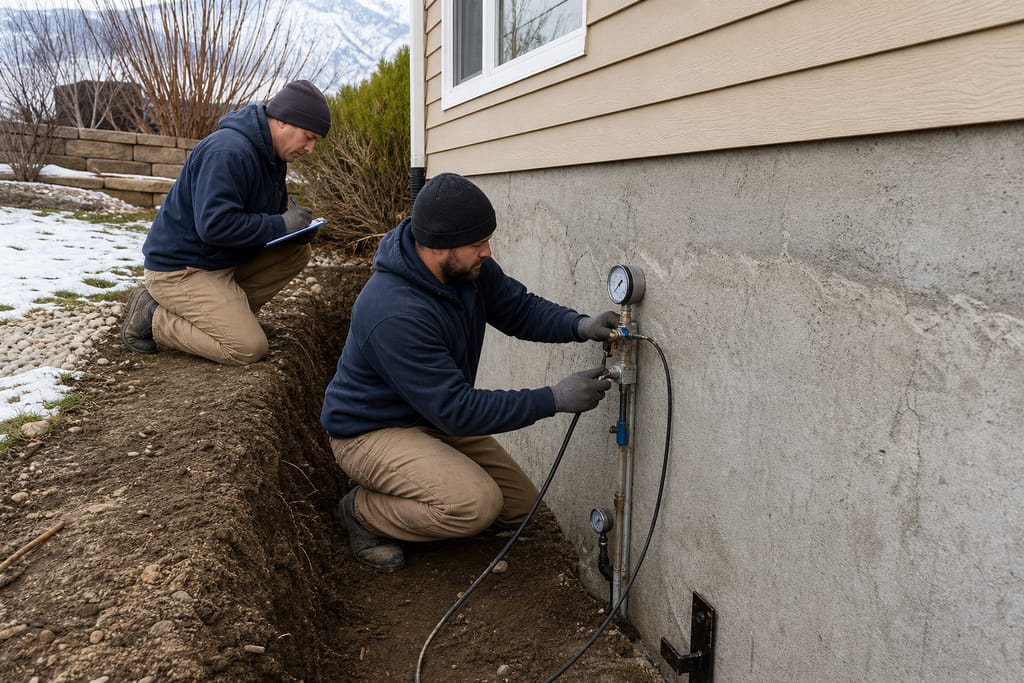
Pressure Assessment
Soil and hydrostatic pressure contributing to wall movement are evaluated.
 Step 3
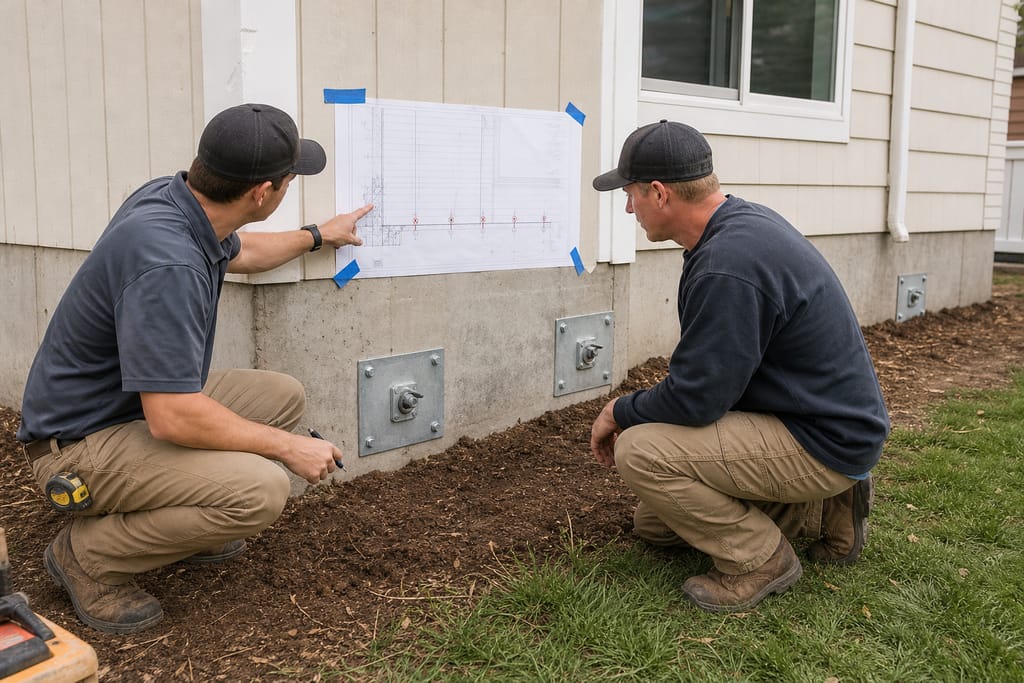
Reinforcement Planning
A stabilization method is selected based on wall condition and severity.
 Step 4
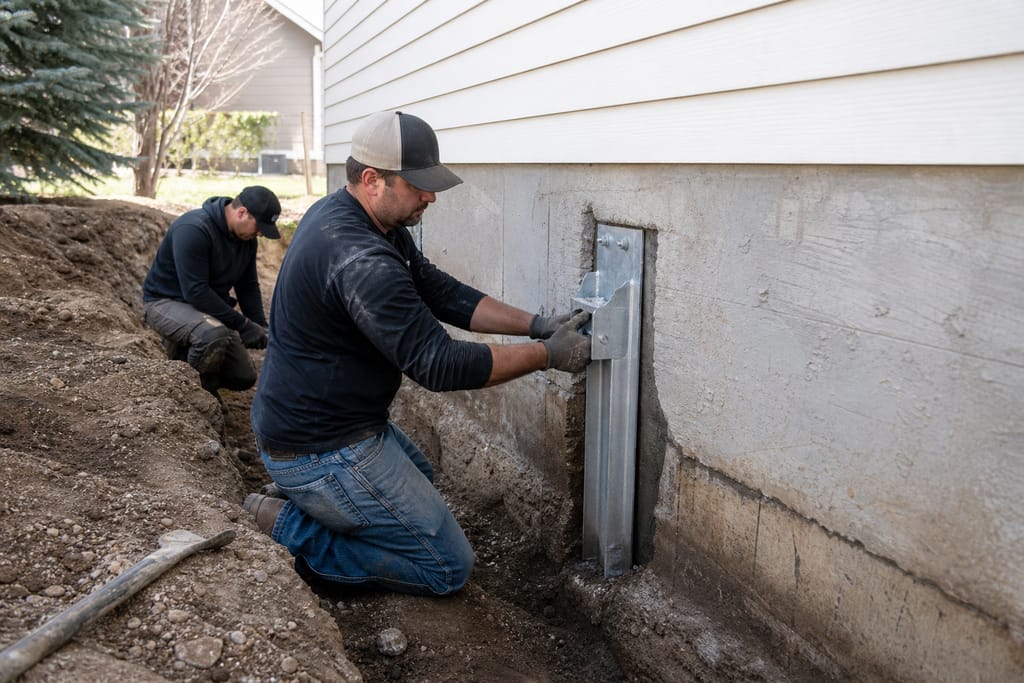
Anchor Or Brace Installation
Support systems are installed to halt further wall movement.
 Step 5
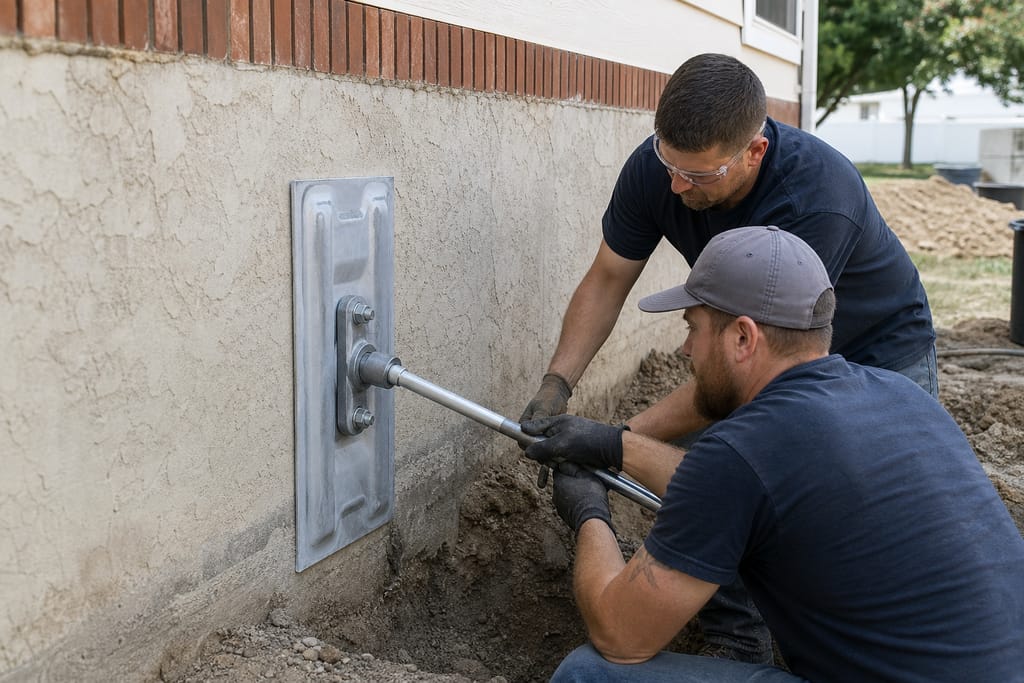
Tensioning Adjustment
Anchors or braces are tightened to gradually stabilize the wall.
 Step 6
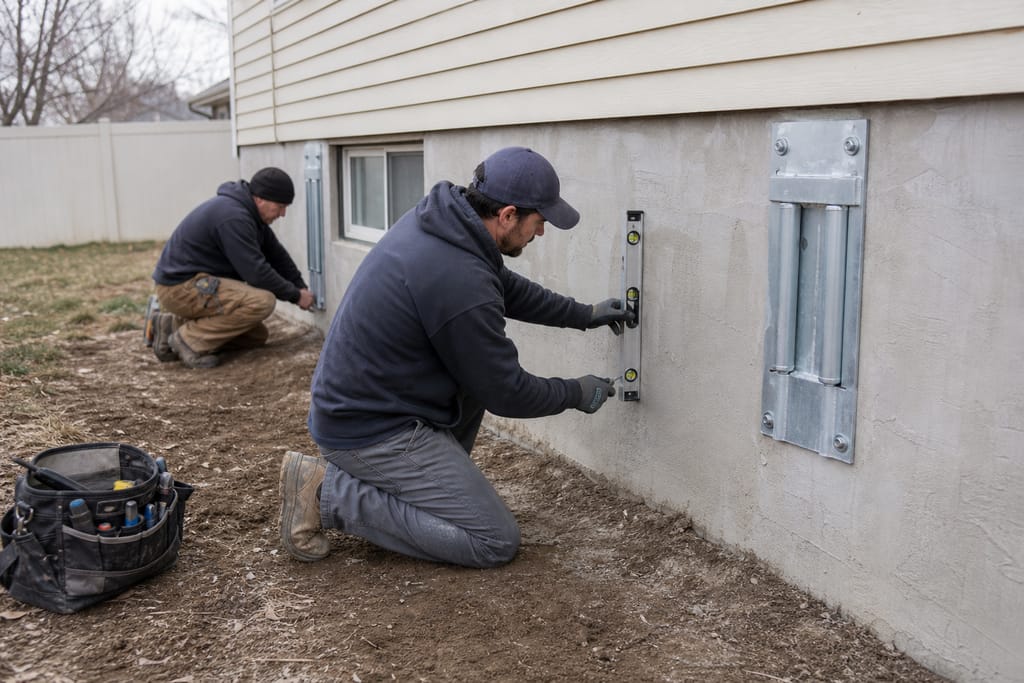
Final Inspection
The wall is rechecked to confirm stability and proper installation.
Materials
Materials and Methods for Wall Stabilization
Which method we use depends on how much the wall has already bowed and whether exterior excavation is practical.
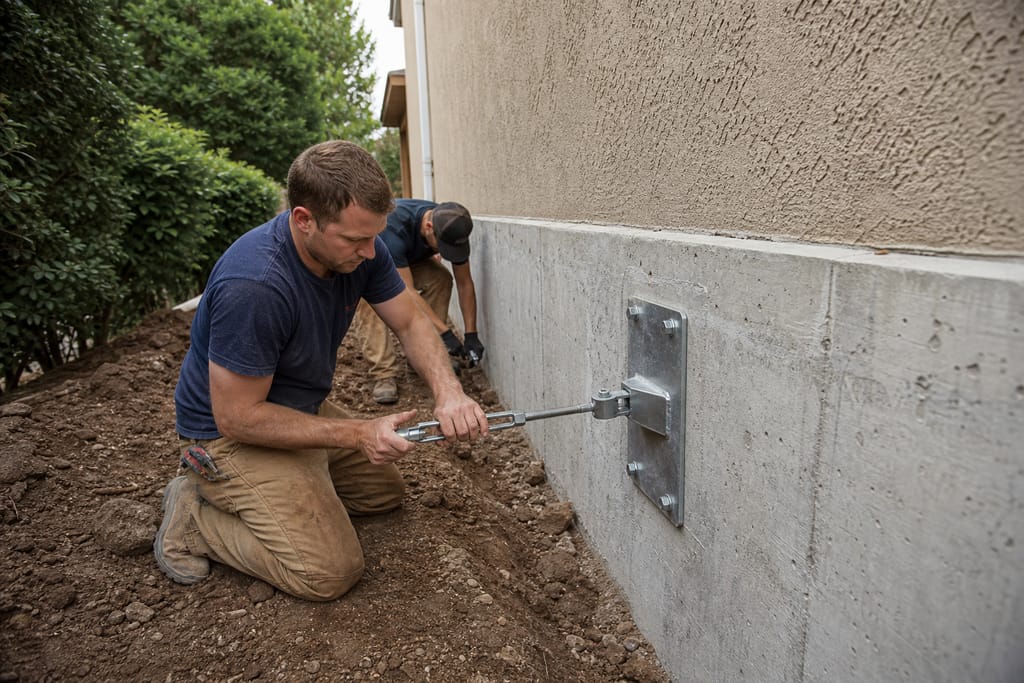
Wall Anchors
Installed in the yard to counteract inward wall pressure, tensioned over time to gradually straighten the wall.
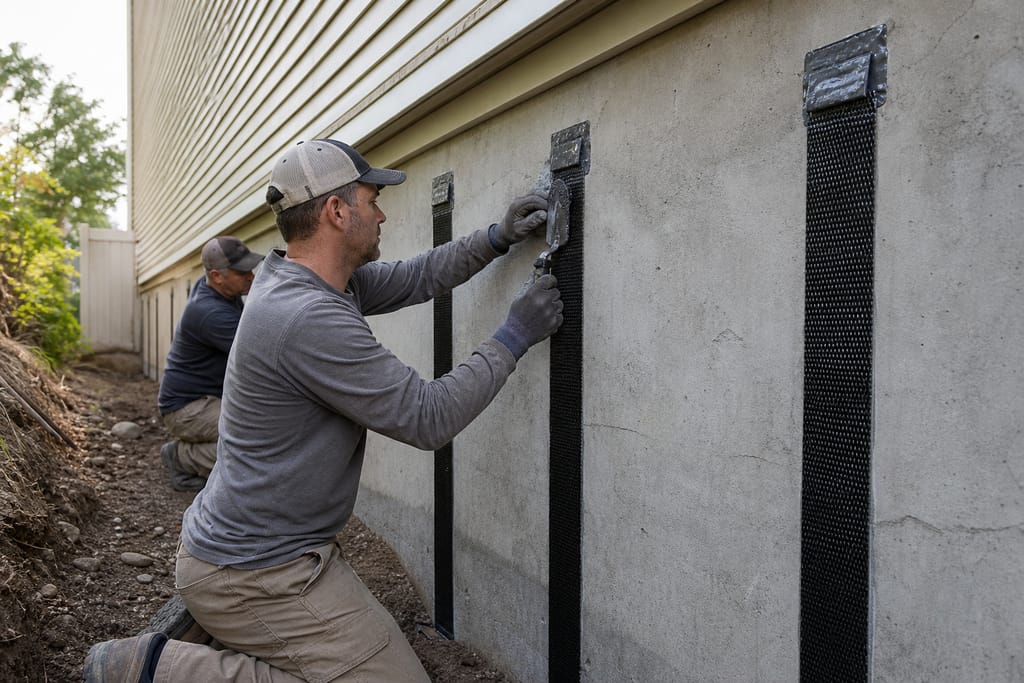
Carbon Fiber Straps
Reinforce walls without requiring extensive excavation, a good fit for walls with minimal bow and tight side-yard access.
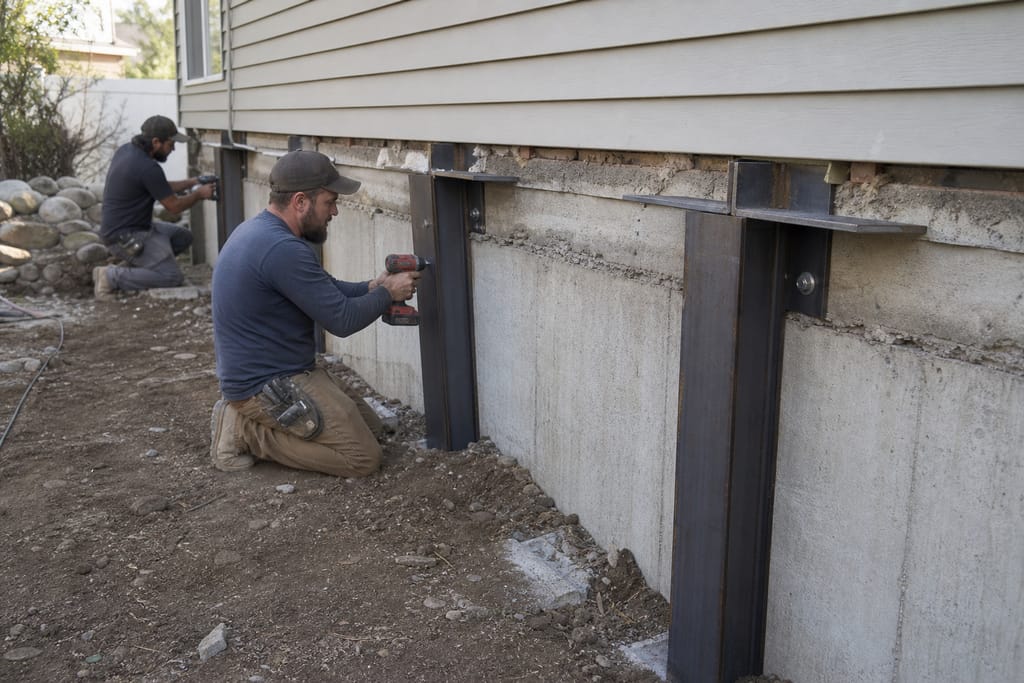
Steel I-Beams
Provide rigid bracing against lateral wall movement where anchor yard space isn't available.
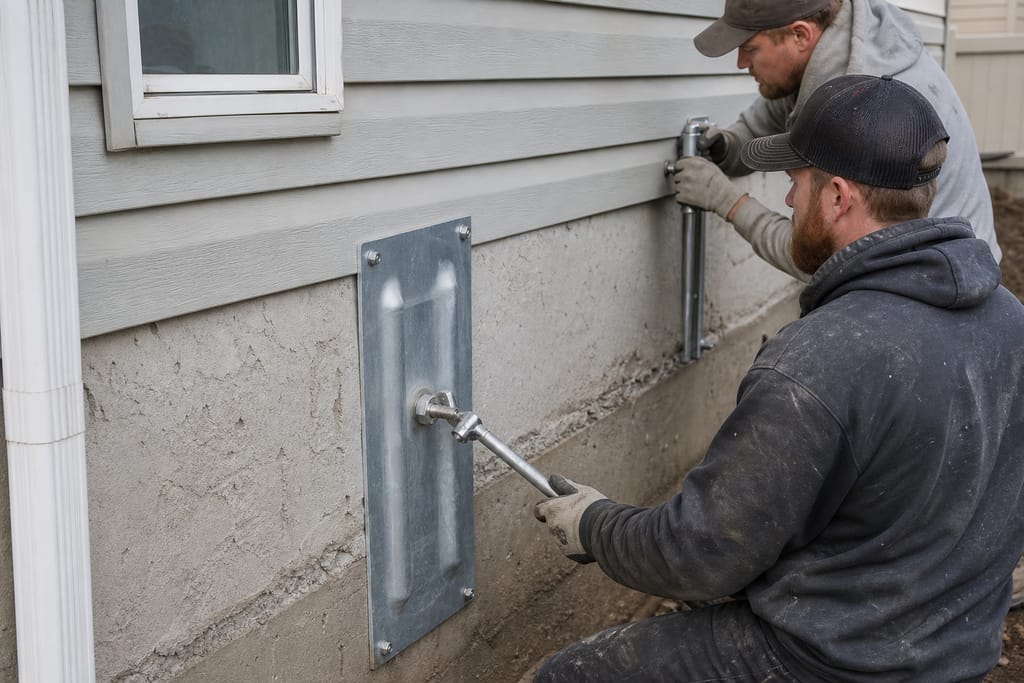
Wall Plates
Distribute anchor tension evenly across the wall surface to avoid point-loading.
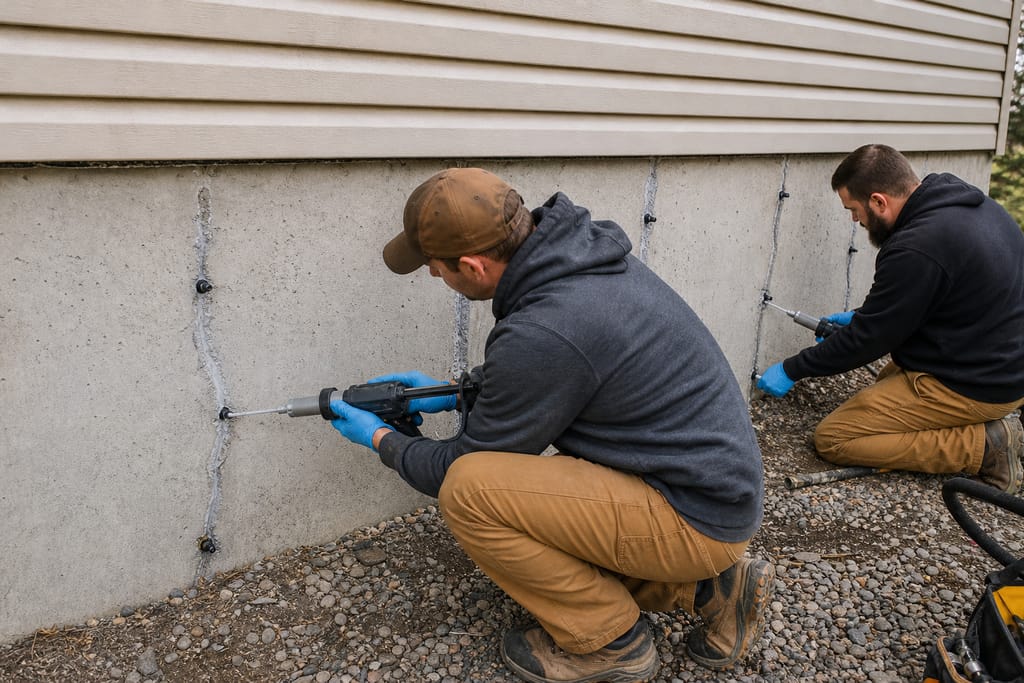
Epoxy Crack Filler
Seals cracks before reinforcement materials are applied.
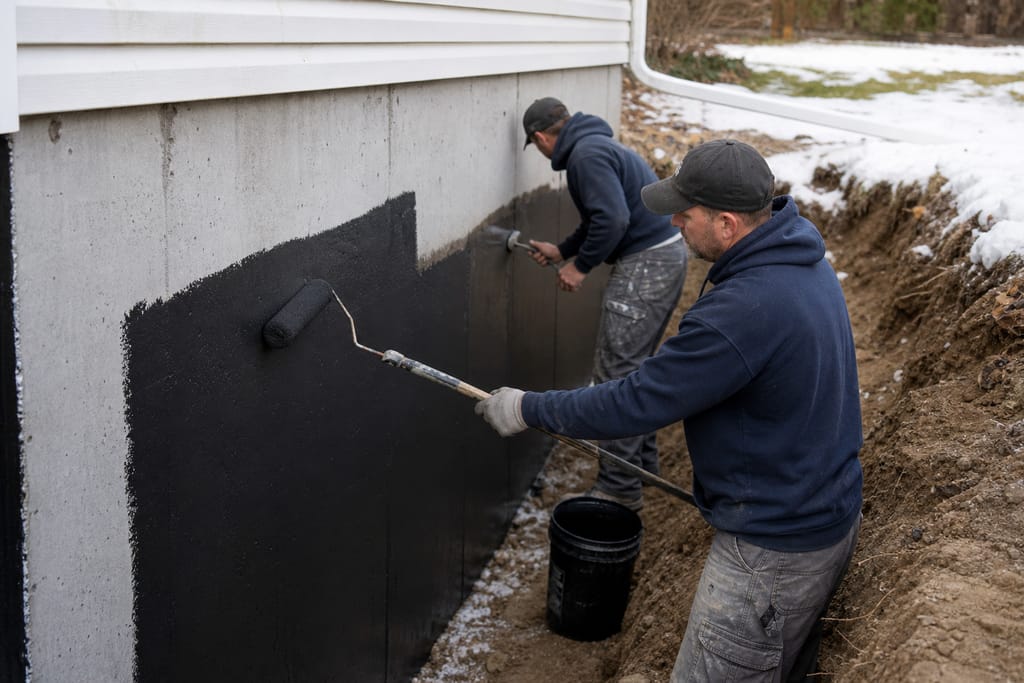
Moisture Barrier Coating
Helps protect reinforced walls from future water damage during snowmelt season.
Questions on materials?
Get a Free EstimateTimeline
How Long Does a Wall Stabilization Take?
A single-wall job is usually a short-duration project once the method is chosen.
- 01
Assessment and plan
same day - 02
Anchor excavation (if used)
1 day - 03
Install and tensioning
1–2 days - 04
Final check
same visit as install
Need a schedule that fits?
Get a Free EstimateBefore & after
Before and After Wall Stabilization
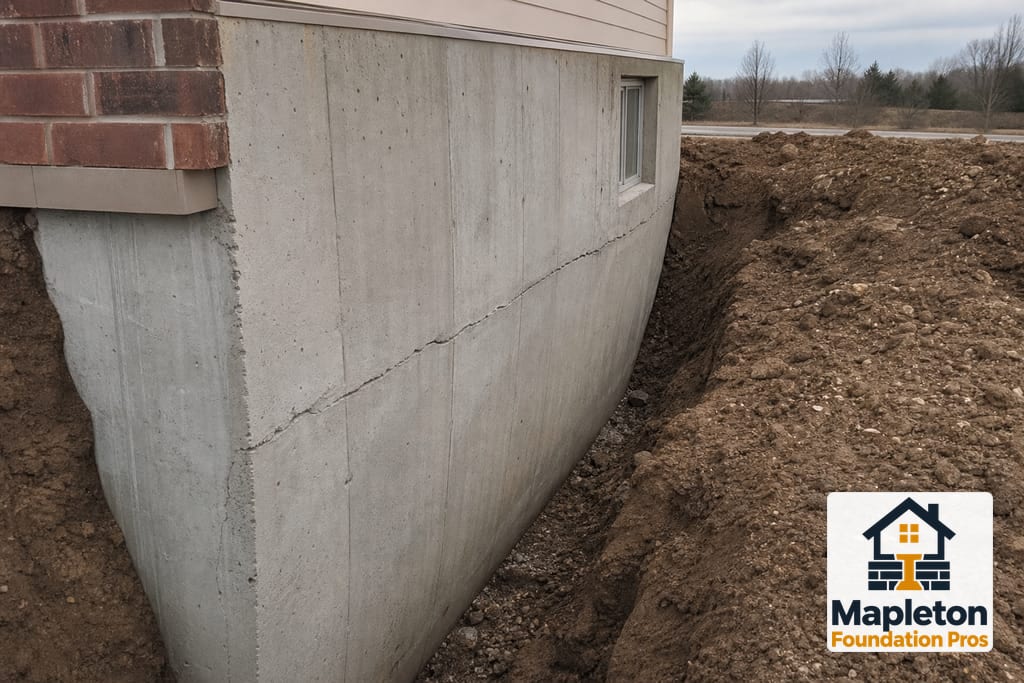
Before 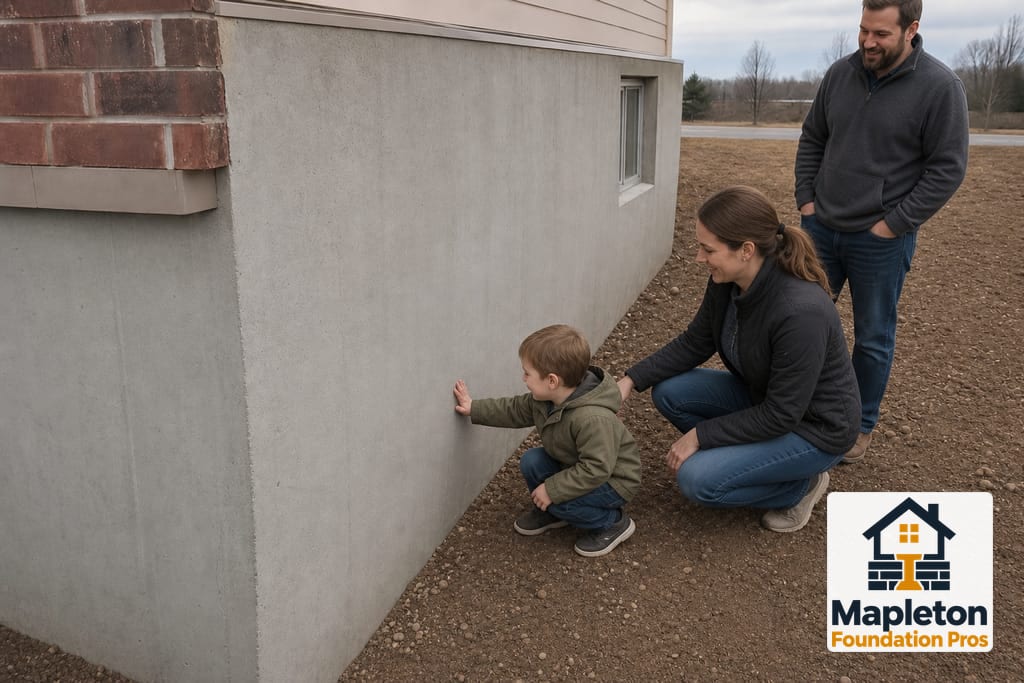
After
FAQs
Wall Stabilization FAQs
How much does it cost to fix a bowing basement wall in Utah?
It depends on wall length, degree of bow, and whether anchors or carbon fiber make more sense. We give a written range after measuring the deflection.
Why is water coming into my basement after snow melts?
Saturated soil against the wall builds hydrostatic pressure, which both bows the wall and finds any crack to push water through. Stabilization and drainage often go hand in hand.
Do I need a permit for wall stabilization?
Anchor and carbon fiber installs are structural work and usually need a permit in Utah County. Minor crack sealing alone usually doesn't.
Is DIY wall bracing a good idea?
Store-bought braces don't resolve the ongoing pressure behind the wall. Only a tensioned anchor or properly rated carbon fiber system stops continued movement.
When should I call a wall stabilization pro?
Call when you see horizontal cracking, a visible inward curve, or water actively coming through the wall. Waiting usually means a bigger bow and a bigger bill later.
Next step
Get a Wall Stabilization Estimate in Mapleton
Call +1 (435) 295-5986 or request a free estimate. Mapleton Foundation Pros will measure the wall and recommend the method that fits what's actually happening, not the most expensive option on the shelf.
Home | Contact | Basement Waterproofing
---
More services
Other Foundation Repair services
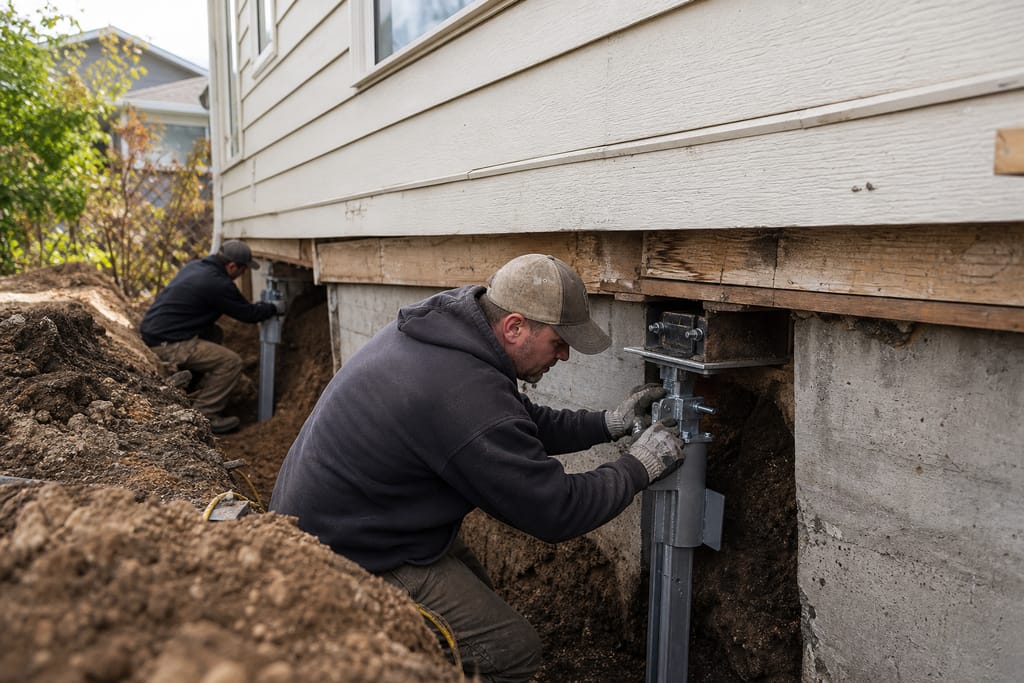
Foundation Repair
Foundation repair in Mapleton, UT with piering, crack injection, and foundation leveling. Free estimates on bench-lot settlement issues.
Piering and Underpinning
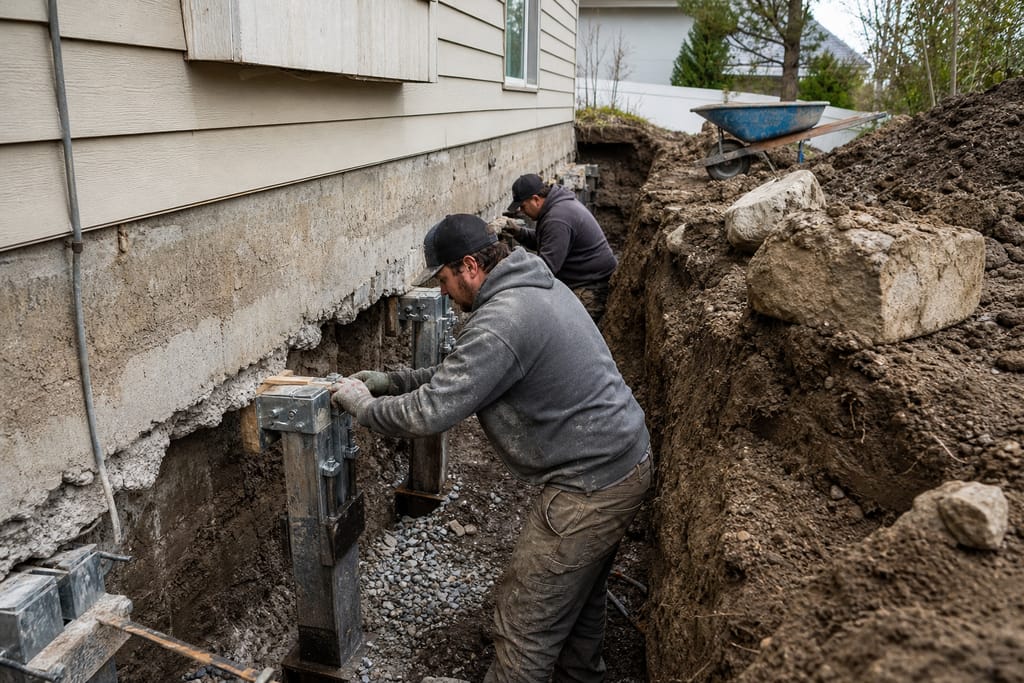
Helical and steel push pier underpinning in Mapleton, UT for bench-lot settlement. Free estimates, written pier plans before any digging.
Foundation Crack Repair
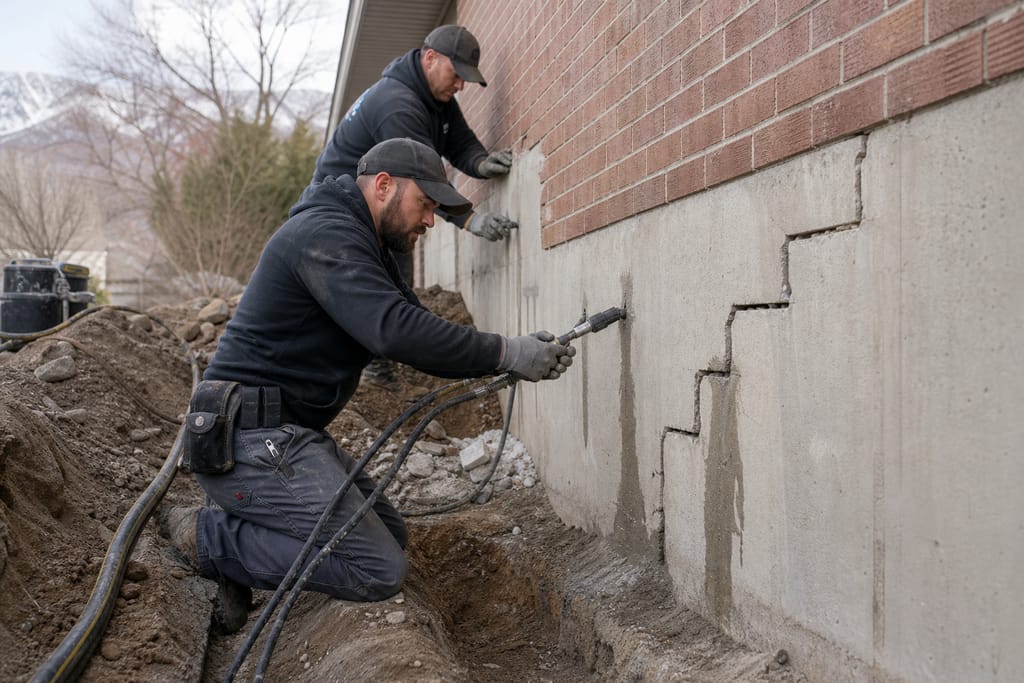
Foundation crack repair in Mapleton with epoxy and polyurethane injection, stair-step crack diagnosis, and free estimates.
Ask about Wall Stabilization
Tell us about the project and how to reach you.